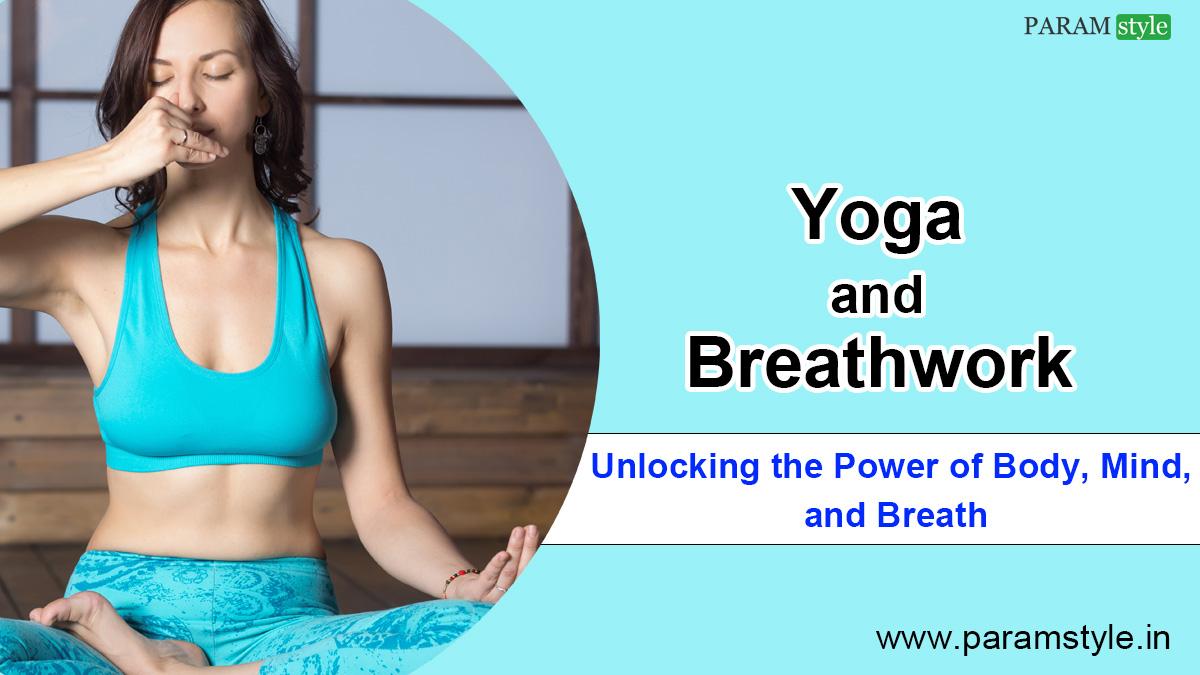
Yoga and Breathwork: Unlocking the Power of Body, Mind, and Breath
In the fast-paced modern world, where stress, anxiety, and health issues are rising rapidly, more people are turning to ancient wisdom to find balance. Among the most powerful tools for holistic well-being are Yoga and Breathwork. These time-tested practices offer profound physical, mental, and emotional benefits, helping individuals lead a more peaceful, healthy, and mindful life.
What Is Yoga?
Yoga is an ancient Indian discipline that means “union”—the union of body, mind, and spirit. Traditionally, yoga is not just about physical postures (asanas), but also includes breath control (pranayama), meditation (dhyana), and ethical living (yamas and niyamas).
It is a complete system that improves flexibility, builds strength, calms the mind, and deepens self-awareness. Whether you’re a beginner or an advanced practitioner, yoga offers something for everyone.
What Is Breathwork?
Breathwork refers to conscious control of breathing to influence your physical, mental, and emotional state. In yoga, this is known as Pranayama—”prana” meaning life force and “yama” meaning control.
Breath is life. When we control our breath, we control our energy, our nervous system, and even our emotions. Breathwork techniques range from calming, like deep belly breathing, to energizing, like Kapalabhati (Skull-Shining Breath) and Bhastrika (Bellows Breath).
The Deep Connection Between Yoga and Breathwork
Yoga and breathwork are deeply intertwined. Every yoga pose becomes more powerful and effective when paired with controlled breathing. The breath is the bridge between the body and the mind.
- In asana practice, the breath helps guide movement and maintain rhythm.
- In meditation, breath awareness brings focus and clarity.
- In pranayama, breath itself becomes the tool for healing and transformation.
Benefits of Yoga and Breathwork
1. Reduces Stress and Anxiety
Yoga and conscious breathing activate the parasympathetic nervous system, which calms the body and mind. Techniques like Anulom Vilom and Nadi Shodhana (alternate nostril breathing) are especially effective for emotional balance and mental clarity.
2. Boosts Physical Health
Yoga improves flexibility, strength, posture, and balance. It enhances blood circulation and supports detoxification. Breathwork increases oxygenation, strengthens lung capacity, and improves cardiovascular health.
3. Enhances Mental Clarity and Focus
Breathing practices increase the supply of oxygen to the brain, enhancing focus, memory, and creativity. Regular yoga and pranayama create space in the mind, reducing overthinking and mental clutter.
4. Improves Sleep Quality
Slow, deep breathing calms the nervous system, making it easier to fall asleep and stay asleep. Yoga Nidra and deep relaxation techniques can help treat insomnia and restless sleep.
5. Emotional Healing and Energy Balancing
Through regular practice, stored emotional tension and trauma can be released. Breathwork clears energy blockages and helps balance the chakras (energy centers), promoting emotional resilience and inner peace.
Popular Yoga Poses to Combine with Breathwork
- Child’s Pose (Balasana) – Use slow, deep breaths to relax the lower back and calm the mind.
- Cat-Cow Pose (Marjaryasana-Bitilasana) – Inhale while arching, exhale while rounding the spine to improve spine flexibility and breath rhythm.
- Downward Dog (Adho Mukha Svanasana) – Focus on deep breathing to build strength and reduce tension.
- Bridge Pose (Setu Bandhasana) – Sync breath to movement for a grounding and energizing effect.
- Corpse Pose (Savasana) – Practice full yogic breathing or simple observation of breath for deep relaxation.
Simple Breathwork Techniques for Beginners
1. Box Breathing (4-4-4-4)
Inhale for 4 seconds, hold for 4, exhale for 4, hold again for 4. Repeat. This is excellent for reducing anxiety and improving concentration.
2. Ujjayi Breath (Ocean Breath)
Slightly constrict the throat and breathe slowly through the nose. This creates a soft oceanic sound and is great during yoga practice.
3. Bhramari (Bee Breath)
Inhale deeply, and while exhaling, make a humming sound like a bee. This calms the mind and reduces anger or restlessness.
How to Start Your Practice
- Create a peaceful space – Use a quiet corner with a yoga mat and minimal distractions.
- Start small – Just 10–15 minutes a day can make a big difference.
- Be consistent – Practice daily, preferably in the morning or before bed.
- Listen to your body – Avoid forcing the body or breath; be gentle and patient.
- Seek guidance – If you’re new, follow an experienced teacher or online guided sessions.
Final Thoughts
Yoga and breathwork are more than exercises—they are tools for transformation. In just a few minutes a day, you can reduce stress, gain clarity, feel energized, and connect to a deeper sense of peace and purpose. Whether you’re seeking physical health, mental calm, or spiritual growth, yoga and breathwork can guide you on the path of holistic well-being.
Start today. Just breathe. Just move. Just be.
Your breath is your power. Your body is your temple. Your peace is within you.
Also Read:
- What Is a Balanced Diet? A Simple Guide for Everyday Eating
- Ayurveda: The Ancient Science of Holistic Healing and Wellness
- How to Find Your Ayurvedic Body Type (Prakriti): A Beginner’s Guide to Balance & Wellbeing
Frequently Asked Questions (FAQs)
1. What is the difference between yoga and breathwork?
Yoga is a holistic practice that includes physical postures, breathing techniques, and meditation. Breathwork (or pranayama) is a part of yoga focused specifically on conscious breathing to influence the mind and body.
2. Can beginners do breathwork and yoga?
Yes, both yoga and breathwork are safe and highly beneficial for beginners. Start with simple poses and gentle breathing exercises like deep belly breathing and Anulom Vilom.
3. How much time should I spend on yoga and breathwork daily?
Even 15–30 minutes a day can bring noticeable benefits. Ideally, spend 5–10 minutes on breathwork and 20 minutes on yoga postures or stretching.
4. When is the best time to practice yoga and breathwork?
Early morning or evening is ideal. Practicing on an empty stomach helps improve focus, flexibility, and energy levels.
5. Are there any side effects of breathwork?
Breathwork is generally safe, but excessive or incorrect practice can lead to dizziness or anxiety. Always start gently, and if possible, learn from a certified teacher.
6. What type of yoga is best for stress relief?
Hatha Yoga and Yin Yoga are slow-paced and ideal for stress relief. Combining them with calming breathwork techniques like Box Breathing or Bhramari Pranayama enhances relaxation.
7. Do I need special equipment to start?
No. All you need is a yoga mat, comfortable clothing, and a quiet space. Breathwork can be done seated, even in a chair.
8. Can I do yoga and breathwork during pregnancy?
Yes, but consult with a doctor and practice only prenatal yoga and gentle breathing techniques under the guidance of a trained instructor.