

What Is a Balanced Diet? A Simple Guide for Everyday Eating
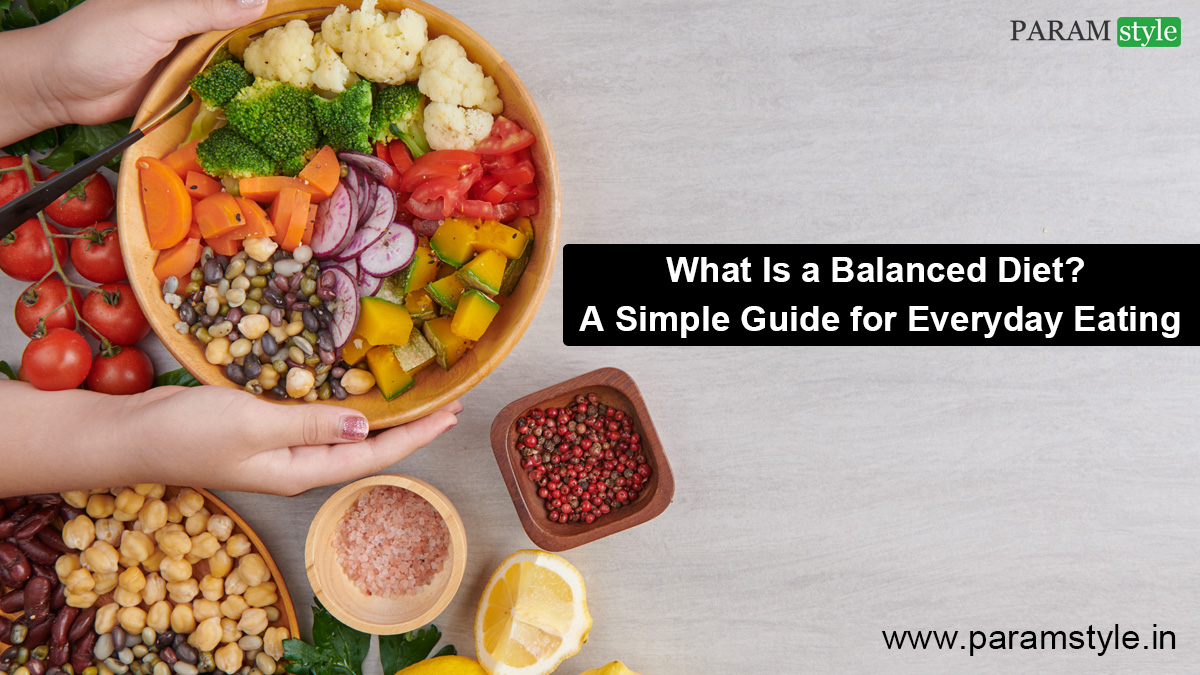


Maintaining a balanced diet is one of the most important steps you can take for your overall health and well-being. But with so much information out there, what does “balanced” really mean? In this simple guide, we’ll break it down so you can make smart food choices every day—without stress.
What Is a Balanced Diet?
A balanced diet provides your body with the essential nutrients it needs to function correctly. It means eating the right amounts of:
- Carbohydrates – Your body’s main energy source (e.g., whole grains, fruits, vegetables)
- Proteins – For building and repairing tissues (e.g., beans, meat, fish, tofu)
- Fats – Supports cell function and energy (e.g., nuts, olive oil, avocado)
- Vitamins & Minerals – Regulate body processes (e.g., leafy greens, dairy, citrus fruits)
- Water – Vital for digestion, circulation, and temperature control
A balanced diet includes a variety of foods in the right proportions and the right quantities to maintain health, energy, and well-being.
Why Is It Important?
Eating a balanced diet helps:
- Maintain a healthy weight
- Support growth and development
- Reduce risk of chronic diseases (like heart disease, diabetes)
- Improve mood, energy, and mental clarity
- Strengthen the immune system
Components of a Balanced Daily Meal
Here’s a simple formula you can follow:
1. Half your plate: Fruits & Vegetables
Aim for color and variety—fresh, frozen, or canned without added sugar/salt.
2. One-quarter: Whole Grains
Choose brown rice, oats, quinoa, or whole grain bread.
3. One-quarter: Protein Sources
Lean meats, beans, lentils, tofu, eggs, or fish.
4. Healthy Fats
In moderation, add nuts, seeds, olive oil, or avocado.
5. Drink water
Aim for 6–8 glasses a day and limit sugary drinks.
Simple Tips for Everyday Balanced Eating
- Don’t skip meals – Eat regularly to maintain energy and avoid overeating later.
- Watch portion sizes – Use smaller plates and avoid second servings unless truly hungry.
- Read labels – Be aware of added sugars, saturated fats, and sodium.
- Snack smart – Choose nuts, fruit, or yogurt instead of processed snacks.
- Prep ahead – Meal prepping can help you stay on track and avoid unhealthy takeout.
Example Daily Balanced Diet
Breakfast: Oatmeal with banana slices and almonds
Snack: Greek yogurt with berries
Lunch: Grilled chicken salad with olive oil dressing and whole grain bread
Snack: Carrot sticks with hummus
Dinner: Baked salmon, brown rice, steamed broccoli
Drink: Water throughout the day, one cup of green tea
Final Thoughts
Eating a balanced diet doesn’t mean being perfect or giving up your favorite foods. It’s about making informed choices most of the time. By understanding what your body needs and filling your plate with a variety of nourishing foods, you’ll be well on your way to a healthier, more energized you.
Frequently Asked Questions (FAQs)
1. What are the 5 components of a balanced diet?
A balanced diet includes:
Carbohydrates (energy)
Proteins (growth and repair)
Fats (energy and cell function)
Vitamins & Minerals (body regulation)
Water (hydration and digestion)
2. How many meals should I eat in a day for a balanced diet?
Most people benefit from eating 3 main meals (breakfast, lunch, dinner) and 1–2 healthy snacks in between. The key is consistency and portion control.
3. Can I still eat junk food on a balanced diet?
Yes, occasionally. A balanced diet is about moderation. It’s okay to enjoy treats now and then, as long as most of your food choices are nutritious and wholesome.
4. Is a vegetarian or vegan diet considered balanced?
Absolutely—if planned properly. Vegetarian and vegan diets can be balanced and healthy by including a variety of plant-based proteins, whole grains, fruits, vegetables, and fortified foods or supplements (like B12).
5. How do I know if I’m eating a balanced diet?
You’re likely eating a balanced diet if you:
Eat a variety of foods from all food groups
Feel energized throughout the day
Maintain a healthy weight
Rarely feel overly hungry or overly full
6. What is the difference between a balanced diet and a fad diet?
A balanced diet is sustainable, diverse, and based on nutritional science.
A fad diet often cuts out whole food groups, is short-term, and may not provide all essential nutrients.
7. Do I need supplements if I eat a balanced diet?
In most cases, a balanced diet provides all necessary nutrients. However, supplements may be needed for specific health needs or deficiencies (e.g., Vitamin D, B12, iron). Always consult a healthcare professional before starting supplements.
