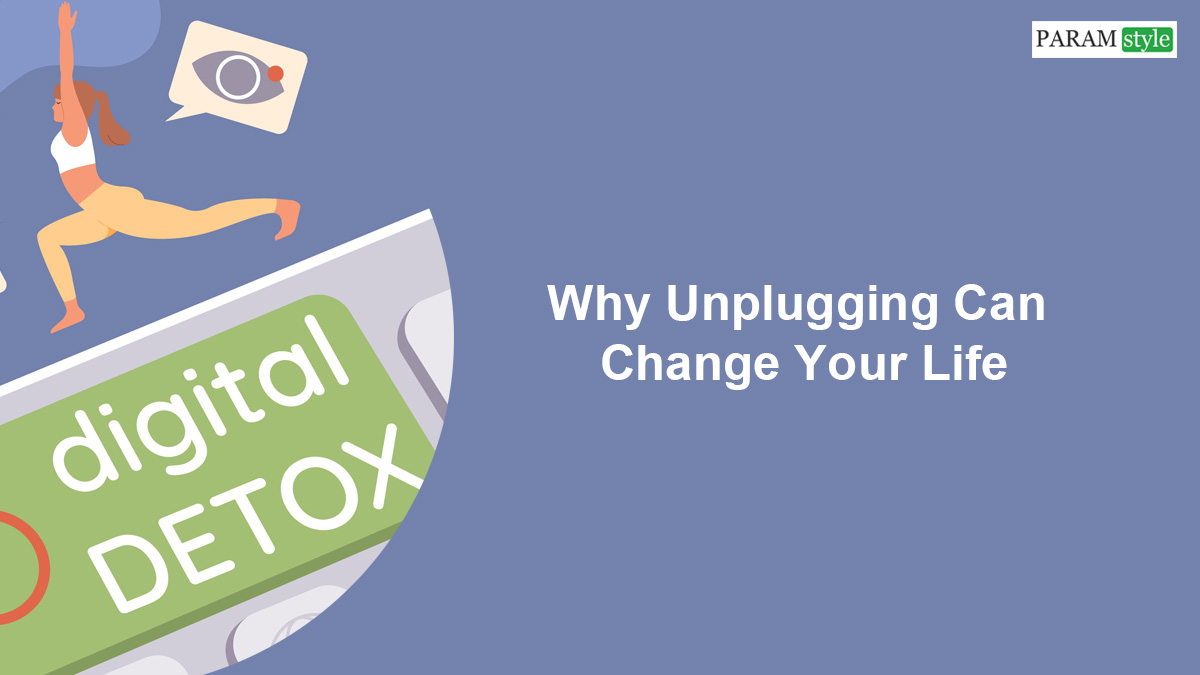
Digital Detox: Why Unplugging Can Change Your Life


In today’s hyper-connected world, we live more online than offline. Whether it’s checking emails, scrolling through Instagram, or binge-watching YouTube videos, our devices have become an inseparable part of our daily lives. But what happens when we take a step back from our screens and choose to unplug?
A digital detox—a conscious break from digital devices—has proven benefits for your mental, emotional, and even physical health. In this article, we’ll explore why unplugging from the digital world is not just beneficial, but essential for a balanced, fulfilling life.
What Is a Digital Detox?
A digital detox refers to a period of time during which a person refrains from using tech devices such as smartphones, computers, tablets, and social media platforms. The aim is to reduce stress, refocus attention, and improve overall well-being.
Unlike a full withdrawal, a detox doesn’t mean eliminating technology forever. Instead, it’s about reclaiming control over your digital habits and learning how to use technology more mindfully.
Signs You Need a Digital Detox
You might need a digital detox if you notice the following signs:
- You check your phone immediately after waking up and before sleeping.
- You feel anxious when your battery is low or there’s no internet.
- You find yourself mindlessly scrolling, even when it’s not enjoyable.
- You’re experiencing eye strain, headaches, or fatigue.
- You’re distracted during conversations or feel disconnected from real life.
- Your productivity and sleep quality are declining.
If you relate to two or more of the above, it’s time to pause and reassess your digital habits.
The Benefits of Unplugging
1. Improved Mental Health
Social media and constant connectivity often lead to anxiety, stress, and depression. The curated lives we see online create a false sense of inadequacy. A break helps us reconnect with our own reality and promotes better emotional health.
2. Enhanced Focus and Productivity
Digital distractions are one of the biggest killers of productivity. Unplugging allows your mind to enter a deep work state, improving concentration, creativity, and decision-making.
3. Better Sleep Quality
The blue light from screens disrupts melatonin production, delaying sleep. Reducing screen time—especially before bed—can drastically improve your sleep quality and energy levels.
4. Stronger Relationships
Being present is the most powerful gift you can give. By putting down your devices, you improve your communication, listening skills, and emotional connection with others.
5. Increased Self-Awareness
When you step away from the noise, you make space for your thoughts, feelings, and intuition. This enhances mindfulness and helps with personal growth.
How to Start Your Digital Detox (Step-by-Step)
If the idea of unplugging sounds overwhelming, start small. Here’s a practical guide:
Step 1: Set Clear Intentions
Define your “why.” Is it to sleep better? Be more present with family? Improve productivity? Knowing your purpose helps maintain motivation.
Step 2: Choose a Duration
Start with a 24-hour break or a weekend detox. You can increase gradually as you get comfortable.
Step 3: Inform Others
Tell friends or coworkers that you’ll be offline. Set up auto-replies or status updates to avoid misunderstandings.
Step 4: Identify Digital Triggers
Notice when and why you reach for your phone. Is it boredom? Anxiety? Loneliness? Replace these habits with healthier alternatives like reading, journaling, or walking.
Step 5: Create No-Screen Zones
Make specific areas or times tech-free—like your bedroom, dining table, or the first hour after waking.
Step 6: Replace With Offline Activities
Reconnect with hobbies you’ve forgotten—painting, gardening, music, cooking, or simply spending time in nature.
Sample Digital Detox Plan
Day 1: No phone for the first and last hour of your day.
Day 2: Take a walk without your phone.
Day 3: No social media for the day.
Day 4: Turn off notifications for all non-essential apps.
Day 5: Declutter your phone—remove unused apps.
Day 6: Journal how you feel each day without digital noise.
Day 7: Enjoy a full digital-free Sunday.
Tips to Maintain Healthy Digital Habits
- Use apps like Forest or Digital Wellbeing to track usage.
- Schedule “scroll time” instead of mindlessly picking up your phone.
- Use grayscale mode to make apps less appealing.
- Keep your phone out of reach during work, meals, and sleep.
- Practice mindful social media—unfollow accounts that don’t uplift or educate you.
What Studies Say About Digital Overload
- A 2023 study by the American Psychological Association found that 89% of adults check their phones within 30 minutes of waking up, which increases stress levels.
- The average person spends 7+ hours per day on digital screens.
- People who did a 7-day digital detox reported a 35% boost in life satisfaction and better sleep, according to a University of Bath study.
The Power of Being Present
When was the last time you experienced a moment without documenting it? When we put our phones away, we start to live for ourselves, not for others’ approval.
Presence is power. Whether it’s savoring a meal, listening deeply, or watching a sunset—life is richer offline.
Final Thoughts: A Lifestyle, Not a Punishment
A digital detox isn’t about restriction—it’s about freedom. The freedom to choose connection over convenience, depth over distraction, and reality over reels.
Start where you are. Even one intentional hour offline can reset your mind. As you move forward, think of digital detoxing not as a one-time cleanse, but a lifestyle shift toward clarity, creativity, and calm.
Recommended Reads & Resources:
- Digital Minimalism by Cal Newport – Buy
- How to Break Up With Your Phone by Catherine Price – Buy
- Screen Time trackers: Freedom.to, Forest App, Moment App
Also Read: Ayurveda: The Ancient Science of Holistic Healing and Wellness